-

Configure Putty tunnel
How to Configure WinSCP and PuTTY for SSH Tunneling Setting up WinSCP and PuTTY to use SSH tunneling ensures secure and efficient connections to your servers through an intermediate host. This guide provides step-by-step instructions for configuring both tools. WinSCP Configuration The WinSCP configuration is straightforward, leveraging its “tunnel” feature. Follow these steps: Open WinSCP…
-

Oracle Database DBMS_SCHEDULER: Creating and Managing Jobs
Oracle DBMS_SCHEDULER: Creating and Managing Jobs The DBMS_SCHEDULER package in Oracle is a powerful tool for scheduling and automating tasks. Unlike its predecessor, DBMS_JOB, it provides advanced features such as calendaring expressions, better logging, and robust error handling. This article explores the key operations you can perform with DBMS_SCHEDULER, including creating, running, modifying, and monitoring…
-

Oracle Table Monitoring – DML ACTIVITY
Monitoring Table DML Activity in Oracle Monitoring Table DML Activity in Oracle: Inserts, Updates, and Deletes Monitoring Data Manipulation Language (DML) activity in Oracle provides insights into the volume of INSERT, UPDATE, and DELETE operations on a table. This information can be valuable for performance tuning and decision-making. Here, we walk through how to enable…
-
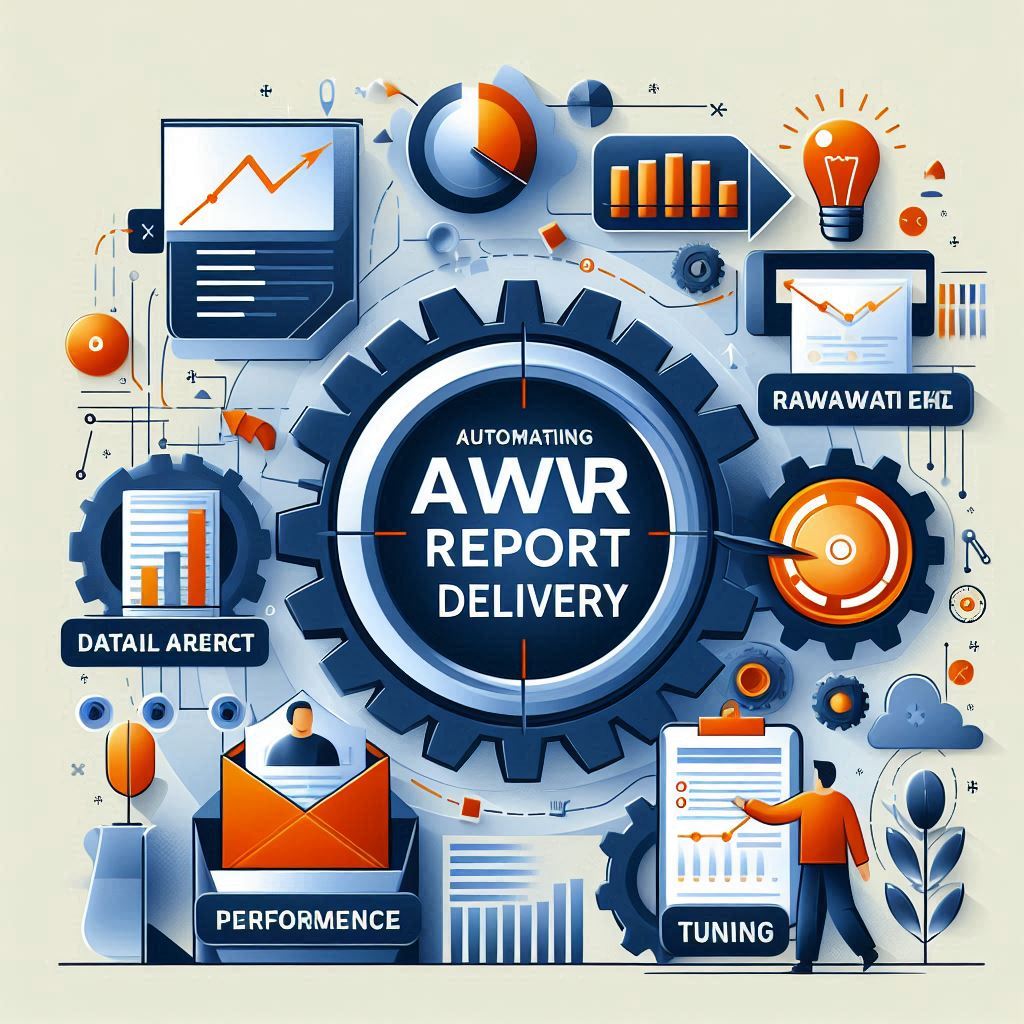
Automating AWR Report Delivery via Email with PL/SQL
This is a fantastic script originally shared by Gokhan Atil (ORACLE ACE) that automates the generation and delivery of AWR (Automatic Workload Repository) reports via email. I’ve adapted and shared it here as it can be extremely helpful in daily database maintenance tasks. The script utilizes Oracle’s DBMS_WORKLOAD_REPOSITORY package to generate an HTML-format AWR report…
-

Disable Table Names Starting with TMP or BAK in Oracle Database
Disable Table Names Starting with TMP or BAK in Oracle Database In certain scenarios, you may want to enforce a naming convention in your Oracle Database to prevent tables from being created with names starting with specific prefixes, such as TMP_ or BAK_. This article demonstrates how to implement a database trigger to…
Blog Posts
Hello,
Arvind Toorpu

I am a Database Admin/Architect with over 14+ years of experience managing multiple DBMS systems
Let’s connect
Join the fun!
Stay updated with our latest tutorials and ideas by joining our newsletter.
Recent posts
- August 2026
- July 2026
- August 2025
- July 2025
- June 2025
- May 2025
- April 2025
- March 2025
- February 2025
- January 2025
- December 2024
- November 2024
- September 2024
- August 2024
- July 2024
- June 2024
- May 2024
- April 2024
- March 2024
- February 2024
- January 2024
- August 2023
- June 2023
- May 2023
- May 2022
- November 2021
- August 2021
- April 2021
- January 2021
- March 2020
- November 2019
- February 2019
- December 2018
- June 2018
- June 2017
- April 2015
- March 2015
- February 2015
- January 2015
- November 2014
- October 2014
- September 2014
- August 2014
- July 2014
- June 2014
- May 2014
- April 2014
- March 2014
- February 2014
- December 2013
- November 2013
- October 2013
- September 2013
- August 2013
- July 2013
- June 2013
- May 2013
 Arvind Toorpu